7 Misconceptions About Ancient Egypt You Didn’t Know

7 Misconceptions About Ancient Egypt You Didn’t Know
Many misconceptions about ancient Egypt have been debunked by historians and scholars alike. From the portrayal of Queen Cleopatra to the myth that ancient Egyptians rode camels everywhere, there are numerous false beliefs surrounding this fascinating civilization.
As one of the most intriguing and extensively studied cultures of the ancient world, ancient Egypt continues to captivate researchers. Historians, archaeologists, and scholars have worked together to uncover the truths about this rich and complex society.
Common misconceptions about ancient Egypt
Over the years, numerous studies have debunked common misconceptions about ancient Egypt. As researchers have delved deeper into the civilization, our understanding of ancient Egyptian society has evolved significantly.
Misconception 1: Cleopatra was beautiful
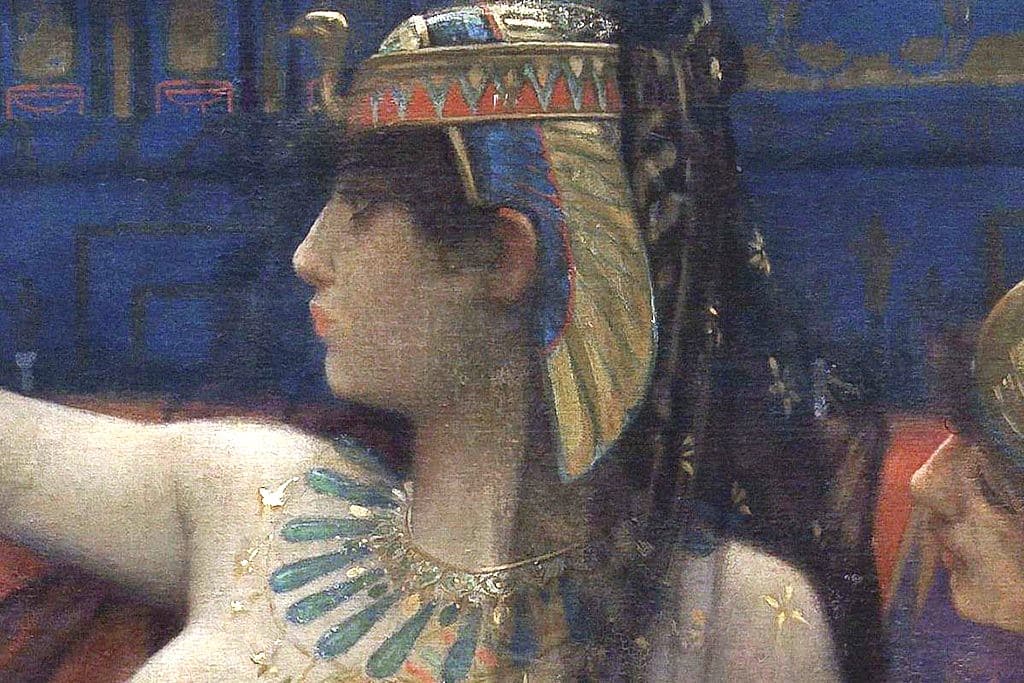
A common ancient Egyptian misconception is that Cleopatra was a beautiful queen who amazed everyone with her looks. However, ancient texts describing her appearance suggest that this was likely not the case. It is most probably the case that the famed queen was neither exceptionally beautiful nor incredibly ugly, and it was not her appearance that attracted the attention of notable men such as Julius Caesar.
Cleopatra’s greatest gift and most attractive feature was her mind. According to the ancient Greek philosopher and historian Plutarch, the queen of Ptolemaic Egypt “had an irresistible charm, and her presence, combined with the persuasiveness of her discourse and the character which was somehow diffused about her behavior towards others, had something stimulating about it.”
Misconception 2: Ancient Egyptians were obsessed with death
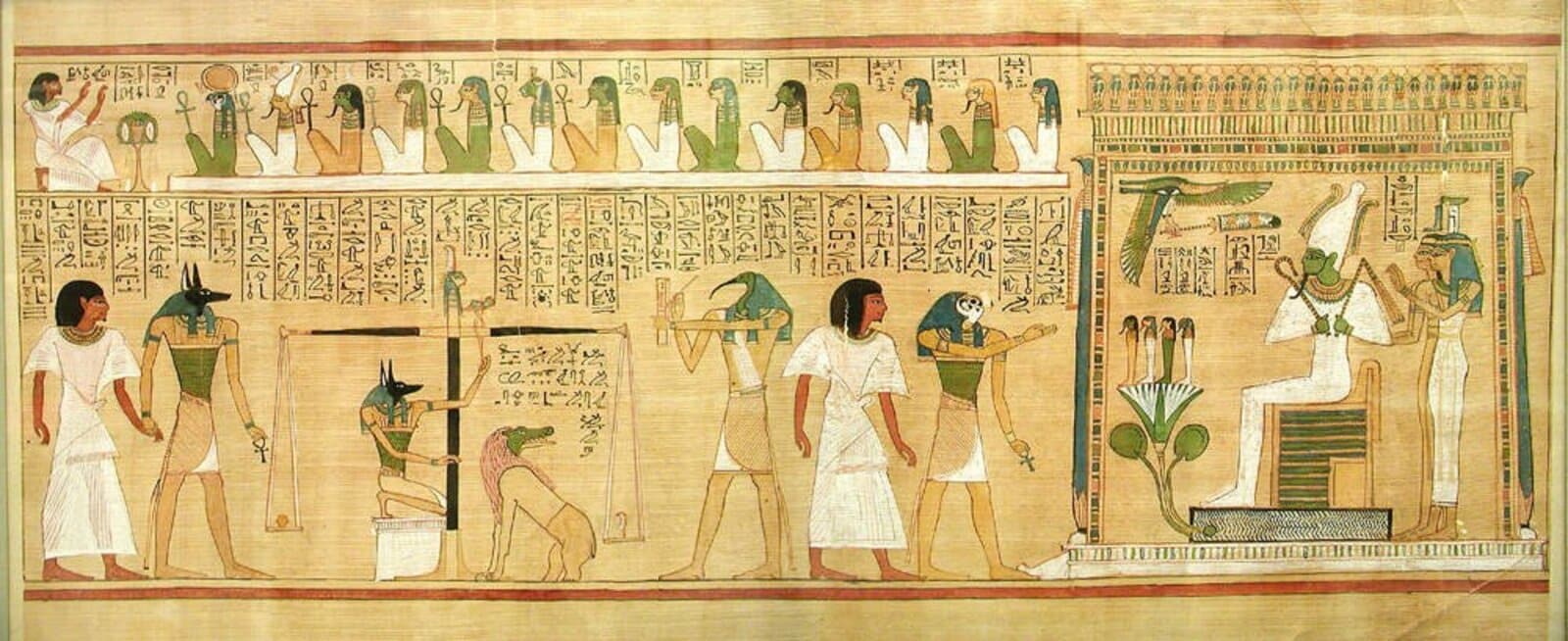
Ancient Egyptian mythology and its afterlife have been the subject and inspiration for many novels and Hollywood films. Due to the many details modern historians and archaeologists have uncovered about the Egyptian gods and the afterlife, a commonly-held misconception is that the ancient Egyptians were obsessed with death.
However, what the Egyptians were actually fixated on was life itself. Researchers have found that they were very focused on making the most of their lives and extremely devoted to preparing for life after death. The ancient Egyptians always had their minds on life, whether it was before or after death.
Misconception 3: Everyone was mummified
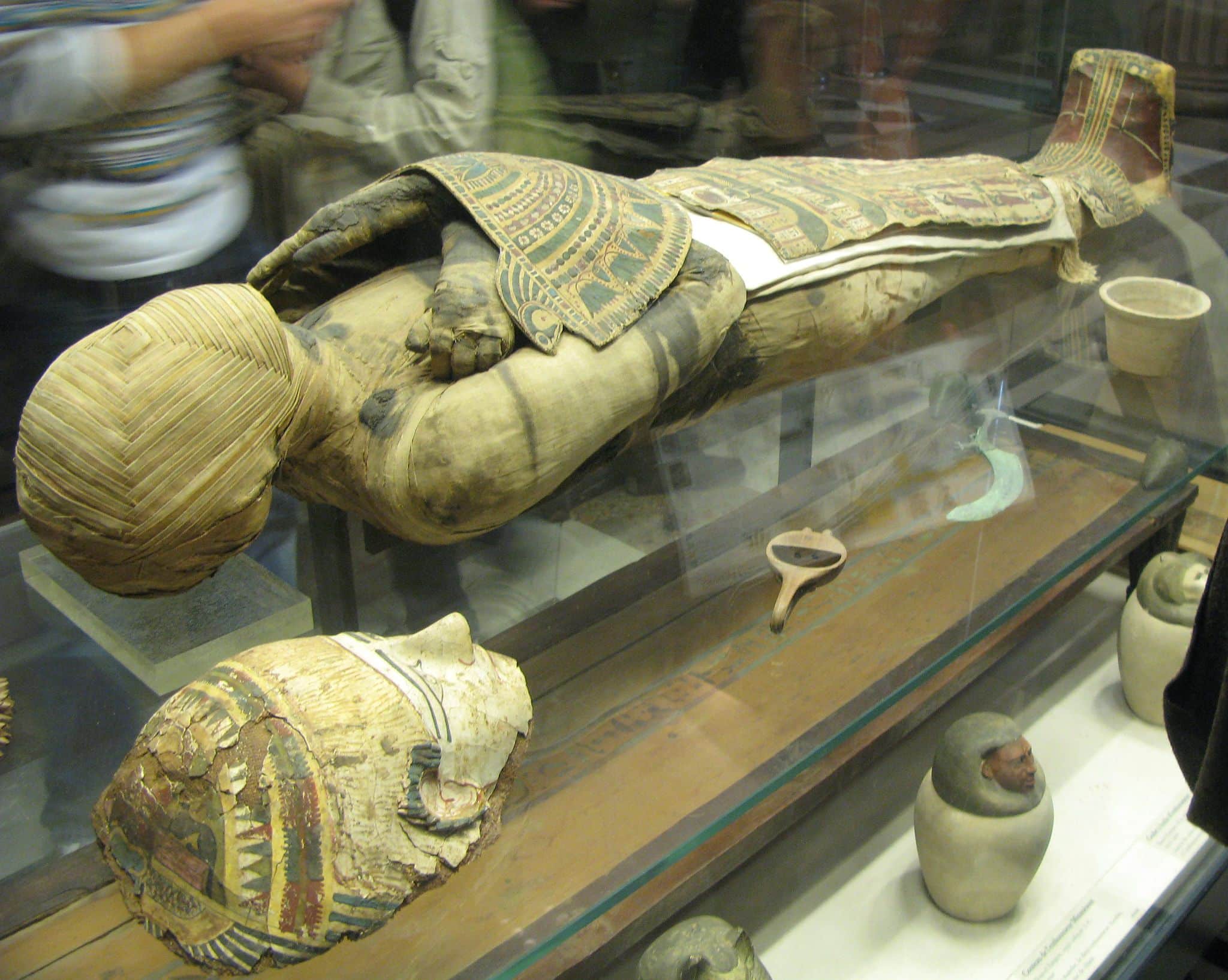
Another common misconception about ancient Egypt thanks to Hollywood is that all Egyptians were mummified and placed in extravagant sarcophagi. This was not true. While post-death ritual rites were important in enabling a seamless transition to the afterlife, not everyone was mummified.
Royalty and high-ranking members of societies were mummified, but people lower down in the social ranks were embalmed and dehydrated instead. Archaeologists have found the remains of many dehydrated bodies that were embalmed and actually placed in regular wooden coffins.
Misconception 4: All Ancient Egyptians could read and write
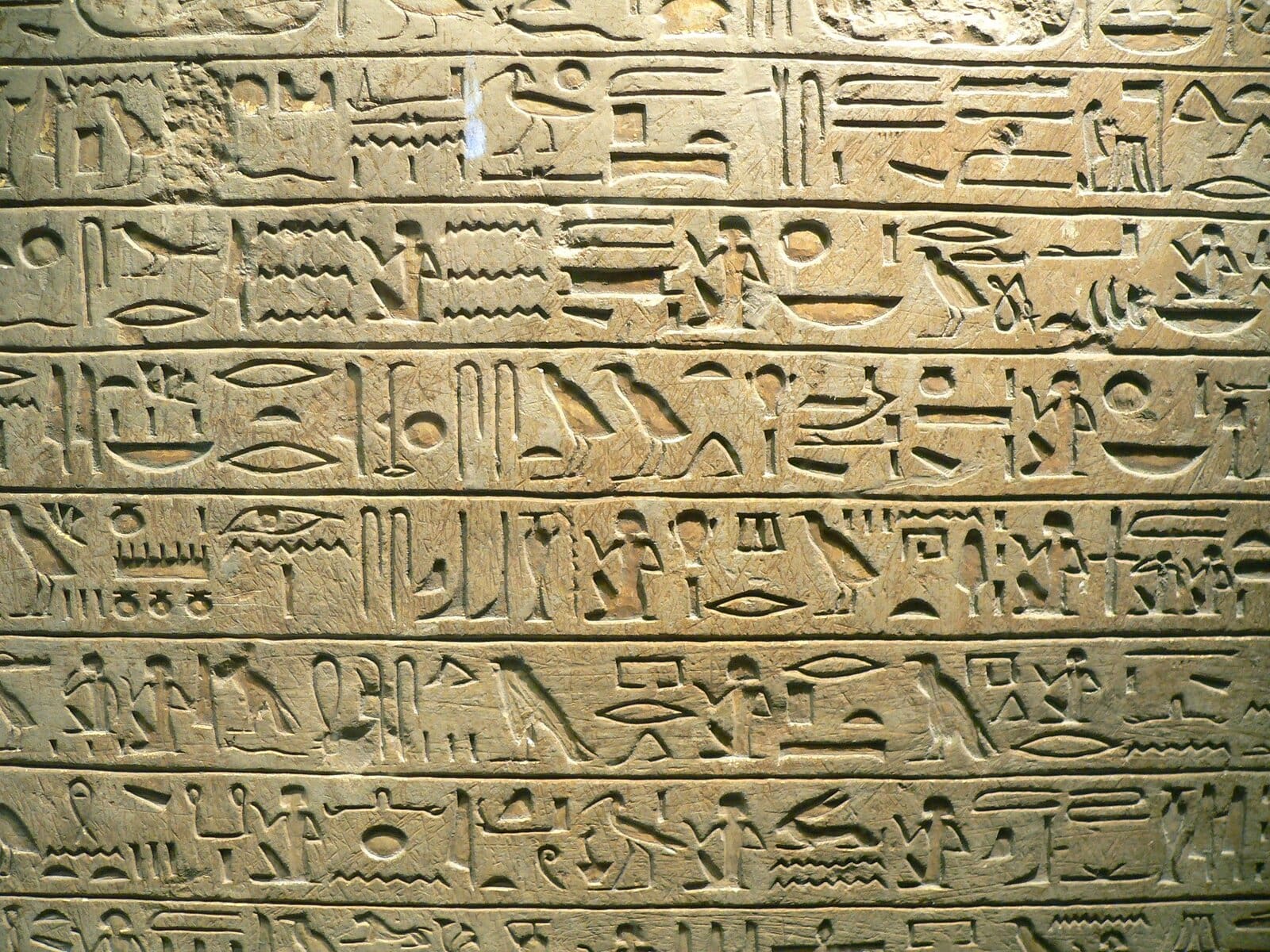
Due to the fact that there are hieroglyphs seemingly everywhere in ancient Egypt, it is commonly believed that nearly all Egyptians could read or write. The truth could not be further from this belief.
In ancient Egyptian society, hieroglyphs were considered a divine language only high-ranking people and nobles could decipher. Everyone else was incapable of reading or writing. It is estimated that only one to five percent of the population was actually capable of reading and writing.
Misconception 5: Ancient Egyptian tombs were booby trapped

This common misconception about the tombs of ancient Egypt came about in the early 1900s, when explorers and archaeologists discovered tombs in various pyramids. Finding that the tombs were usually under vertical shafts, they concluded that they were booby trapped.
However, the poison darts and spiky floors that are portrayed in Hollywood movies have neven been found in an Egyptian burial site. There are, nonetheless, plenty of ways to get lost at one of these sites, especially in the pyramids with their many pathways running through them.
Misconception 6: Ancient Egyptians rode camels

Yet another Hollywood trope is that people in Egypt always traveled by camel.
Ancient Egyptians did not ride camels since time immemorial. Instead, they rode donkeys and used boats to cross the Nile. Specifically, the use of camels as transport began during the New Kingdom (c. 1550–1070 BC), however, archaeologists believe that camels were not widely used for transportation until later periods, particularly during the Third Intermediate Period (c. 1070–664 BC).
Miconception 7: Every pharaoh has a pyramid

There are more than one hundred pyramids in Egypt and likely more about which nothing is yet known. As a result, a common myth is that every single pharaoh was buried in a pyramid. On the contrary, no pharaoh mummies have been found inside them.
This could be due to extensive looting in antiquity. Tomb robbers often desecrated the pyramids, stealing treasures and destroying mummies long before modern archaeologists could examine them. Additionally, during periods of instability, especially in the 21st Dynasty, Egyptian priests relocated the mummies of earlier pharaohs to more secure hiding places, like the Valley of the Kings and Deir el-Bahari, to protect them from further theft.