The Mega Structures of the Ancient World

The Mega Structures of the Ancient World
The mega structures of the ancient world are famously awe-inspiring. They showcase the ingenuity, ambition and resourcefulness of early civilizations. Ancient civilizations built architectural and engineering marvels to serve religious, political or practical purposes, leaving a lasting legacy that continues to fascinate us today.
The Great Pyramid of Giza (Egypt)
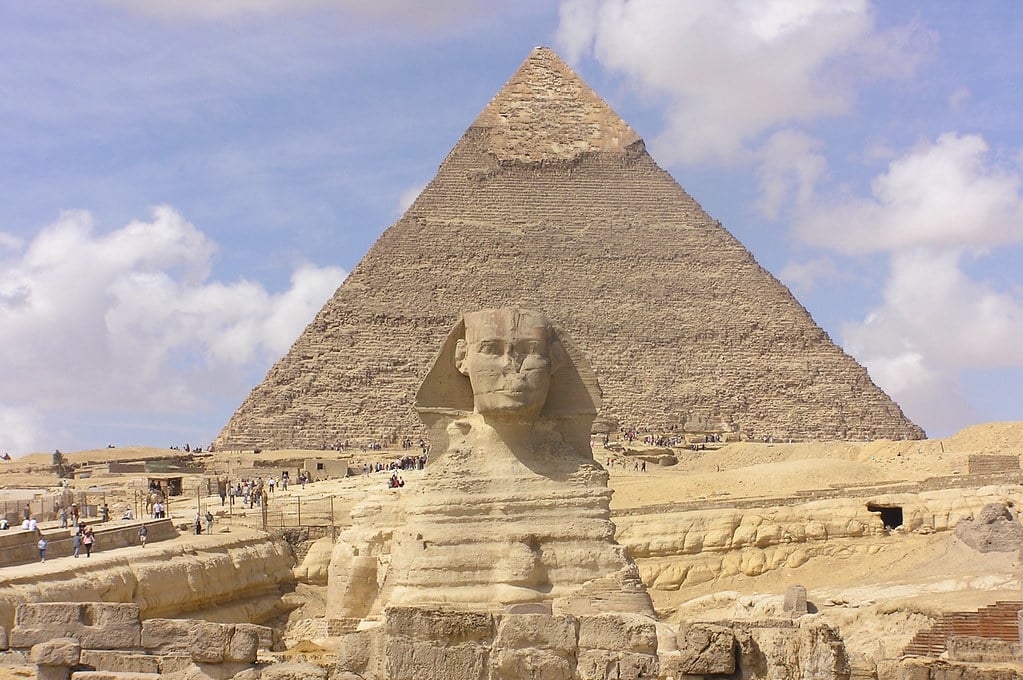
The Great Pyramid of Giza was built around 2560 BCE during the reign of Pharaoh Khufu. It is one of the most iconic mega structures of the ancient world. The Egyptians constructed it of over 2 million limestone blocks, some weighing several tons. Furthermore, it is the only surviving wonder of the Seven Wonders of the Ancient World. It served as a tomb and symbolized the pharaoh’s divine authority.
The Hanging Gardens of Babylon (Mesopotamia)

Ancient sources often describe the Hanging Gardens as a terraced complex of lush greenery and flowing water that King Nebuchadnezzar II built around 600 BCE. They exemplify advanced irrigation techniques and symbolize a king’s love for his queen, Amytis.
The Colossus of Rhodes (Greece)

The Colossus was a massive bronze statue of the sun god Helios that stood approximately 33 meters tall at the entrance to the harbor of Rhodes. Undoubtedly the Rhodians built it to celebrate a military victory. It was also one of the Seven Wonders of the Ancient World but an earthquake less than 60 years after its erection destroyed it.
The Great Wall of China (China)

The construction of the Great Wall of China began as early as the 7th century BCE and continued for centuries. Stretching thousands of kilometers, the Chinese built it to protect their territories from invasions and raids. Its scale, complexity, and longevity make it a testament to ancient Chinese engineering.
The Mausoleum at Halicarnassus (Anatolia)

This monumental tomb was dedicated to Mausolus, a Persian satrap, around 350 BCE in Halicarnassus (modern-day Bodrum, Turkey). Its elaborate design and sculptures blended Greek, Egyptian and Lycian styles, and gave us the word “mausoleum.”
The Roman Colosseum (Italy)
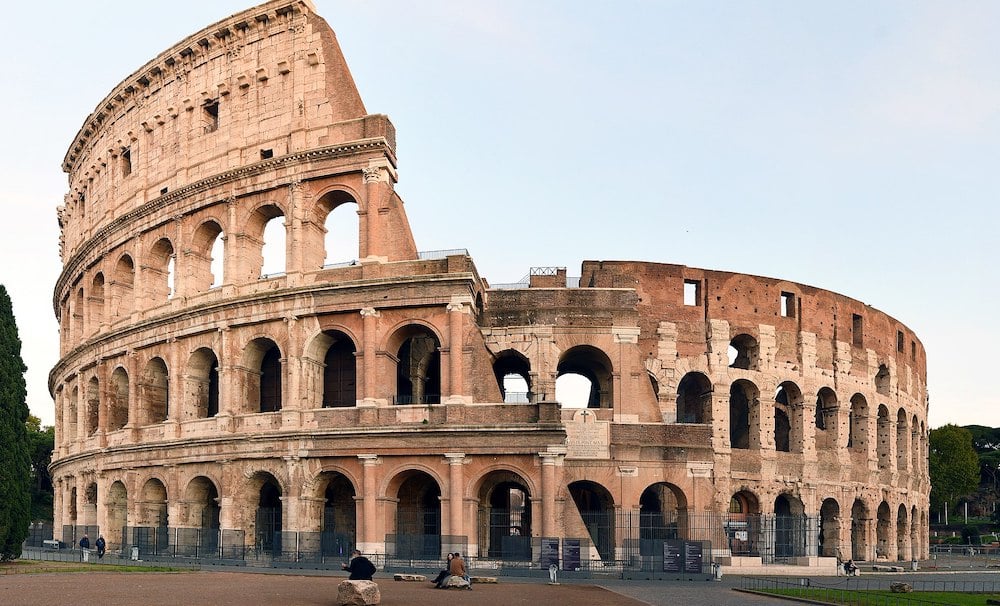
The Roman emperor Titus completed the Colosseum in 80 CE. The massive amphitheater could hold up to 50,000 spectators and hosted gladiatorial contests, public spectacles and dramas. Its innovative design and enduring structure demonstrate Roman engineering prowess.
Stonehenge (England)
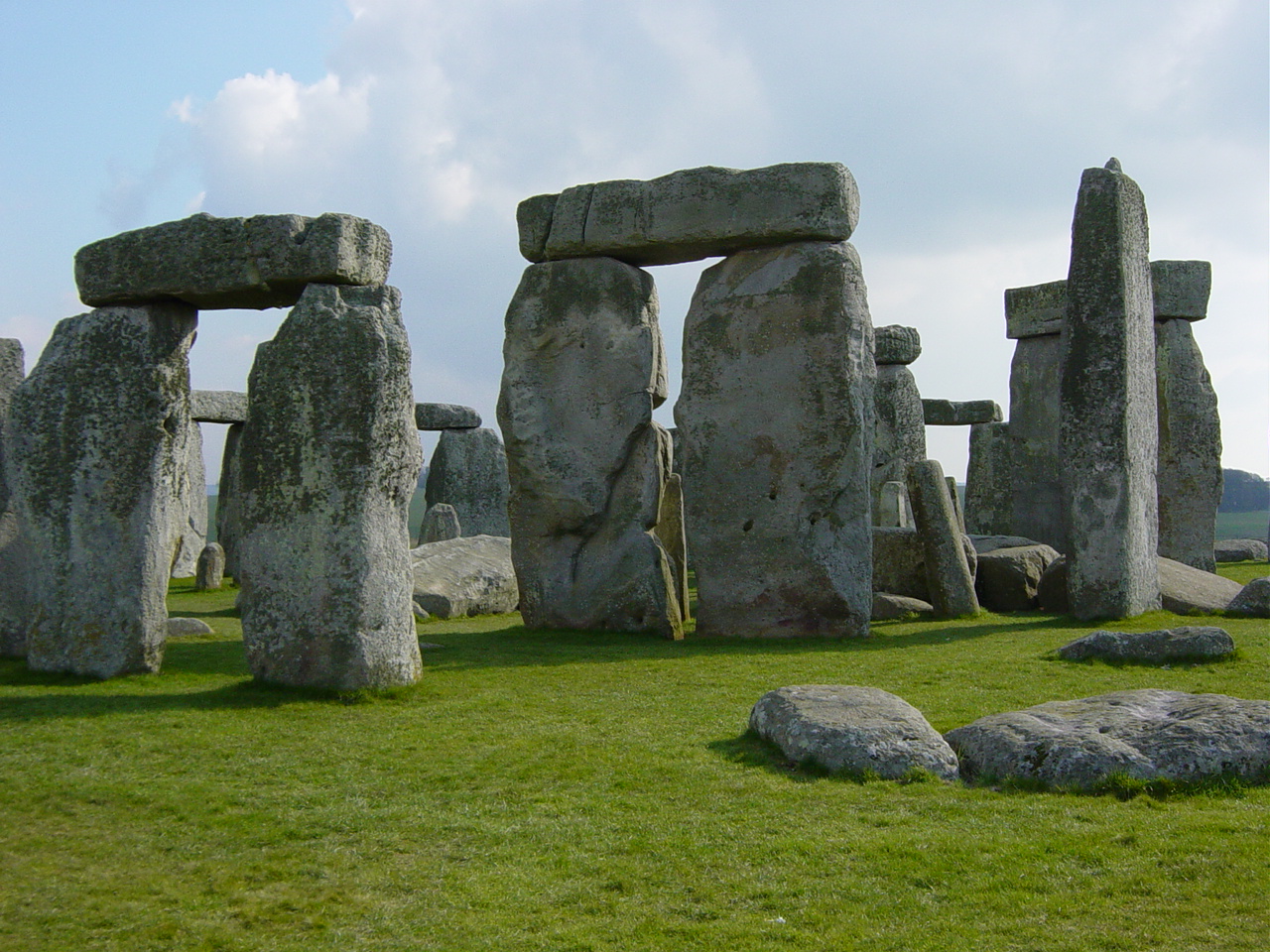
Stonehenge is a prehistoric monument of massive standing stones arranged in a circular pattern. It dates to around 3000–2000 BCE. Its purpose remains a mystery, but it is believed to have been used for religious or astronomical purposes.
Ziggurat of Ur (Mesopotamia)

The Ziggurat of Ur is massive step pyramid that was dedicated to the moon god Nanna. The Sumerians built it around 2100 BCE in modern-day Iraq. The Ziggurat’s terraced design and mudbrick construction exemplify the architectural innovation of the Sumerians.
The Lighthouse of Alexandria (Egypt)

The Lighthouse of Alexandria is a towering structure that was one of the Seven Wonders of the Ancient World. It was constructed around 280 BCE on the island of Pharos. It stood approximately 100 meters tall. In short, it guided sailors safely to the harbor of Alexandria.
Mezhyrich Mammoth-Bone Structure
One of the most remarkable examples of a Paleolithic mega structure is the mammoth-bone structures in Eastern Europe, particularly at the site of Mezhyrich, in present-day Ukraine. These structures date to around 15,000-20,000 years ago during the Upper Paleolithic period. The structure is a large circular or oval dwelling made primarily from mammoth bones. It measures approximately 4-5 meters in diameter and features over 100 mammoth bones, including skulls, tusks and leg bones, arranged in an interlocking fashion. The source of the bones was likely mammoths that the community hunted or scavenged from natural deposits.
These ancient mega structures not only reflect the technological and artistic capabilities of their time but can also reveal the cultural, religious and political values of the societies that built them. They remain enduring symbols of human creativity and ambition.